90 Day Satisfaction Guarantee

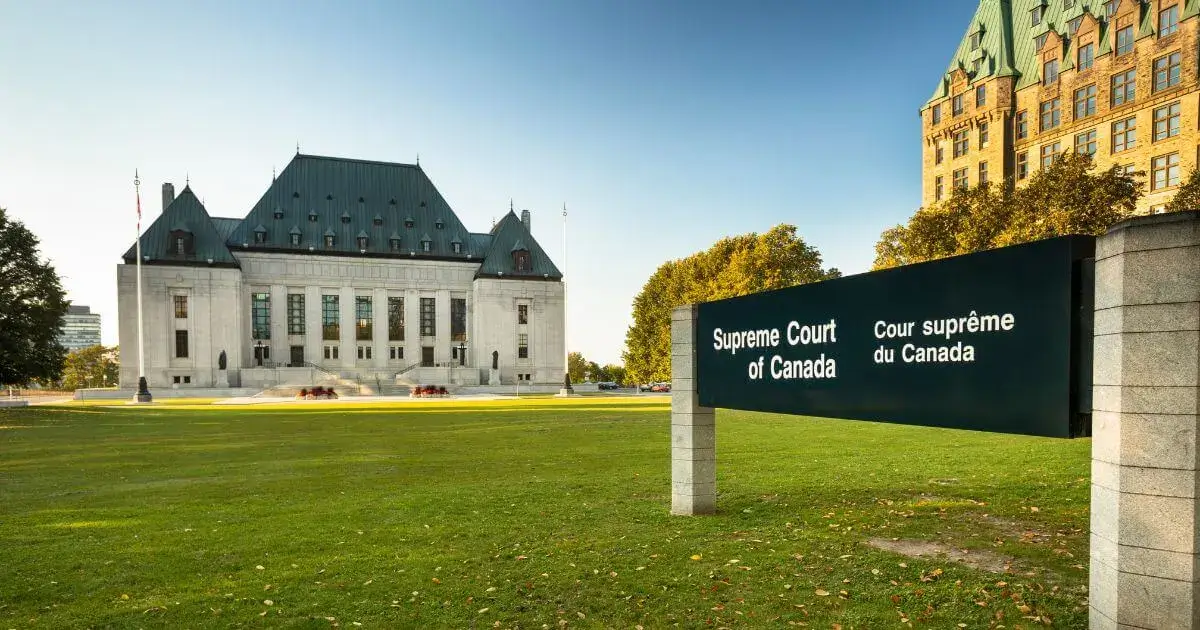
The Ahluwalia case is good news for victims of intimate partner violence.
Before this case, victims could sue their abusers civilly for assault, battery, and intentional infliction of emotional distress. But there was a gap in the law: if an abuser isolated the victim, used more subtle forms of coercion and/or restricted their access to family finances, the law didn’t provide a clear remedy.
Justice Kasirer found that a new tort of intimate partner violence was necessary. It has three parts:
Coercive control can include but does not only have to be overt acts of physical violence. It can also look like: isolation, manipulation, humiliation, surveillance, economic abuse, sexual coercion, threats to family members, making false allegations to police and employers, and intimidation. Justice Kasirer described it this way: “I am not just a bruised spouse, I am an unfree spouse.”
An intimate partnership is a place where we expect trust and equal treatment. When someone is victim to coercive control, they experience a loss of dignity, autonomy, and equality. Abusive behaviour that tries to control or break the will of one partner violates our collective expectations of what should happen in a relationship. This new tort applies to intimate partnerships in general, not just married people.
In Ms. Ahluwalia’s case, her former husband dominated the relationship for 16 years. He was verbally, mentally, and physically abusive to her, sometimes in the presence of their children or others. He insisted that she stay at home to care for the children and would not allow her to upgrade her education. He controlled the finances and took all of her salary when she did work. He would not permit her to travel to visit her dying mother in India. At times he would not speak to her unless she complied with his sexual demands. Her financial dependence on him made it difficult for her to leave.
Ms. Ahluwalia was awarded $100,000 in damages. It’s important to note that she represented herself in Court at the trial level: an important reminder to all of us about the power of our own voices.
If you or a loved one has been affected by sexual assault or abuse, regardless of when it occurred, contact the team at Wagners to understand your legal rights and options for seeking justice and support.