90 Day Satisfaction Guarantee

A motorcycle crash often leaves riders with injuries far more severe than those most drivers experience in a typical collision. The recovery is longer. The medical bills are higher. And the insurance process frequently treats the rider as the problem rather than the victim.
Motorcycle accident claims involve many of the same legal principles as car accidents, but riders face unique liability disputes that other motor vehicle claimants rarely encounter. Insurers question lane position, speed, and rider behaviour in ways they do not apply to drivers in enclosed vehicles. A motorcycle accident lawyer in Halifax who understands these patterns knows how to respond with evidence rather than arguments.
Wagners has represented injured motorcyclists across Nova Scotia and Atlantic Canada since 1982. We take every case on a no-win, no-fee basis. If a motorcycle crash has left you or a family member facing serious injuries and an insurer that refuses to treat the claim fairly, contact Wagners at (902) 425-7330 for a free consultation.
Riders absorb the full force of a collision without a steel frame, airbags, or seatbelts. That physical reality means motorcycle crashes frequently produce traumatic brain injuries, spinal cord injuries, compound fractures, road rash, and amputations.
The legal difference runs just as deep. When two cars collide, the liability investigation focuses on the driving behaviour of both parties. When a motorcycle is involved, the investigation often starts with the assumption that the rider did something wrong.
An adjuster might question whether the motorcyclist was speeding, riding aggressively, or positioned improperly in the lane. Those questions arise even when the other driver ran a red light or changed lanes without checking. A motorcycle accident injury lawyer builds the factual record that shifts the focus back to what actually happened.
Motorcycle claims attract closer scrutiny because adjusters frequently assume the rider contributed to the crash before reviewing all the evidence. That assumption often focuses on speed, lane position, and whether the rider was visible to other traffic.
The bias is not always stated outright. It shows up in how the insurer frames follow-up questions, how they interpret the police report, and how quickly they assign partial fault to the rider. Detailed evidence from the crash scene, including witness statements, dashcam footage, and crash reconstruction findings, counters speculation with facts.

Motorcycle injury claims require a legal team that has handled disputes over rider fault before. These cases involve aggressive liability arguments, complex medical records, and long-term costs that stretch across decades of a rider's life.
Wagners brings nearly 80 years of combined legal experience to motorcycle litigation. Founding principal Ray Wagner, K.C., has appeared before every level of court in Atlantic Canada and the Supreme Court of Canada.
Partner Lyndsay Jardine, K.C., also holds King's Counsel status. Lexpert and Best Lawyers consistently recognize Wagners among Canada's leading injury practices, and the firm has recovered billions through personal injury and class action cases across the country.
Our Halifax office at 1869 Upper Water St is minutes from the Nova Scotia Supreme Court. We also maintain an office in Mahone Bay and travel to meet clients in Dartmouth, Bedford, Truro, Cape Breton, and across Atlantic Canada. Services are available in English, French, and Spanish.
Most motorcycle collisions involve another driver who failed to notice the rider. Human perception is part of the problem. Drivers scan for cars and trucks instinctively. A motorcycle's narrower profile makes it easier to overlook, especially at intersections and during lane changes.
Several crash patterns repeat across Nova Scotia roads. Each one involves different evidence and different arguments about fault.
Motorcycle Crash Scenario | Evidence That May Help Establish Liability |
Left-turn collision | Witness statements, traffic camera footage, vehicle damage patterns |
Unsafe lane change | Dashcam footage, police report, vehicle positioning |
Rear-end collision | Crash reconstruction, impact damage, eyewitness accounts |
Road hazard | Maintenance records, photographs, municipal reports |
Failure to yield | Intersection evidence, traffic signals, witness testimony |
Left-turn collisions deserve special attention. In these cases, a driver waiting to turn left commonly misjudges the motorcycle's speed and distance, then turns directly into the rider's path. This happens because drivers perceive a motorcycle as farther away than it actually is.
These crashes occur frequently on the Bedford Highway, at intersections along Bayers Road, and on Highway 102. The MacKay and Macdonald Bridges also present risks during heavy commute traffic, where lane changes happen quickly and motorcycles occupy less visual space than other vehicles.
Gravel, potholes, uneven pavement, and construction debris that a car rolls over without incident may cause a motorcyclist to lose control. Two-wheeled vehicles respond to surface changes that four-wheeled vehicles absorb.
Road hazard claims may involve the municipality or provincial authority responsible for maintenance. Photographs of the hazard, weather records, and maintenance logs become key evidence.
Riders on the Cabot Trail or Peggy's Cove Road face additional risks from seasonal tourists who are unfamiliar with curves and elevation changes. For those injured in ATV accidents on Nova Scotia's trail systems, similar questions about road conditions and third-party negligence apply.
Riders share the road without the structural protection that surrounds a car's occupants. A collision at even moderate speed exposes the rider to direct impact forces. That same vulnerability applies to bicycle accidents, where cyclists face similar risks from drivers who fail to notice smaller, slower-moving road users.
The difference for motorcyclists is speed. A rider travelling at highway pace absorbs far more force in a collision than a cyclist on a city street. That is why motorcycle crashes so often result in traumatic brain injuries, spinal cord injuries, and fractures that require months or years of rehabilitation.
Fault follows the same legal standard as any motor vehicle collision in Nova Scotia. The question is which party breached their duty of care. In practice, riders often need stronger evidence because of the scrutiny their claims attract.
Police reports provide a starting point but do not settle the question alone. An officer's initial assessment may not reflect what a thorough investigation reveals.
Reconstruction becomes necessary when the parties disagree about speed, positioning, or the sequence of events. An analyst examines tire marks, vehicle damage, road conditions, and impact angles to recreate how the collision occurred.
In motorcycle cases, reconstruction is especially valuable for addressing disputes about the rider's speed and lane position. A qualified analyst provides objective findings that replace the insurer's speculation with measurable data.
Wearing a helmet does not determine who caused the crash, and not wearing one does not assign fault to the rider for the collision itself. Nova Scotia law requires motorcyclists to wear helmets. An insurer may argue that injuries were more severe without a helmet.
That distinction matters. If another driver ran a red light and struck a motorcyclist, that driver's negligence caused the collision. Helmet use relates to injury severity, not to liability for the crash. A motorcycle crash lawyer in Nova Scotia keeps those two issues separate so that one does not undermine the other.

Because riders face unique arguments about fault, the evidence in a motorcycle claim must directly address those arguments. General documentation is not enough.
The following types of evidence play important roles in motorcycle litigation:
Preserving this evidence early matters. Surveillance footage from businesses may be overwritten within days. Vehicle damage may be repaired before it is properly documented. A motorcycle accident lawyer who begins the investigation promptly protects evidence that might otherwise disappear.
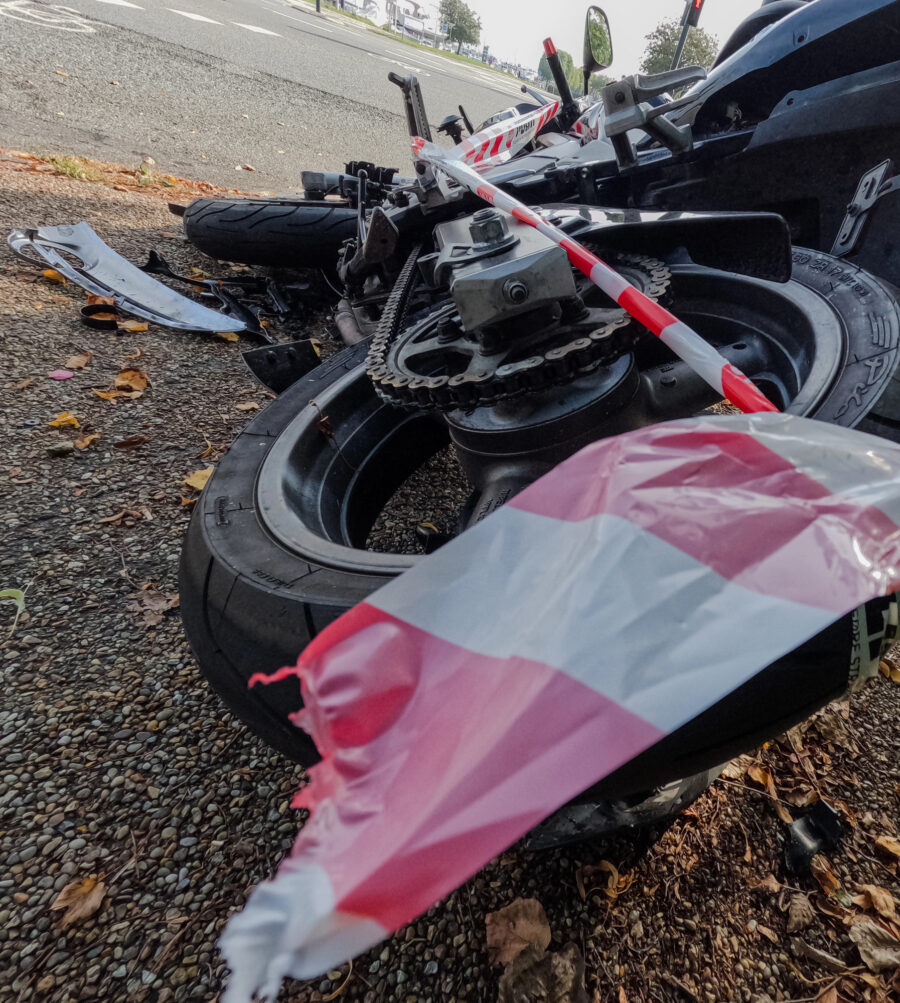
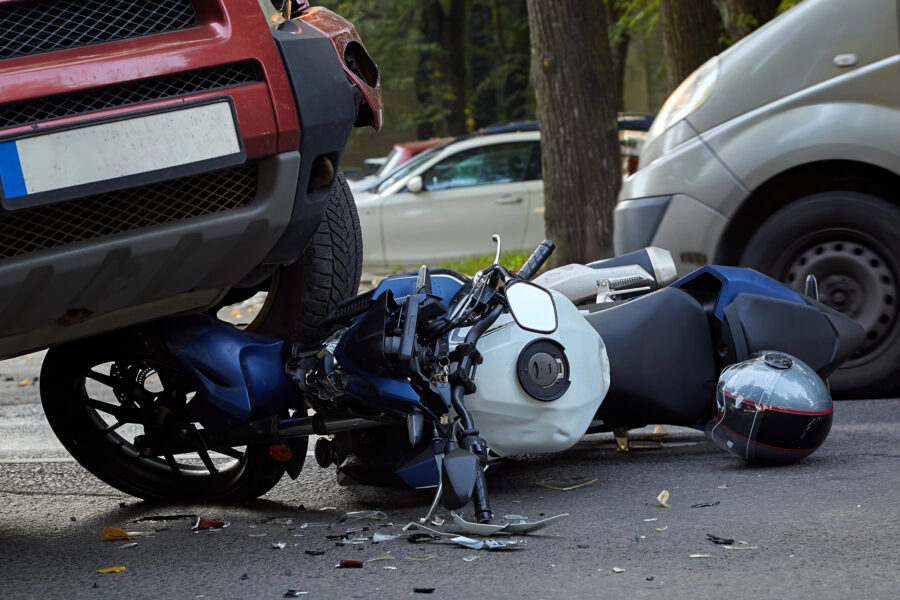
The compensation in a motorcycle claim reflects how the crash has changed the rider's daily life, ability to work, and long-term independence. Because motorcycle injuries tend to be severe, these claims often involve larger and more complex losses than a typical motor vehicle case.
Several factors shape the value of a motorcycle injury claim, including:
Settling too early is a common mistake. Motorcycle injuries often involve long recoveries with complications. An offer that seems reasonable a few months after the crash may fall far short once the full cost of rehabilitation and lost earning capacity becomes clear.
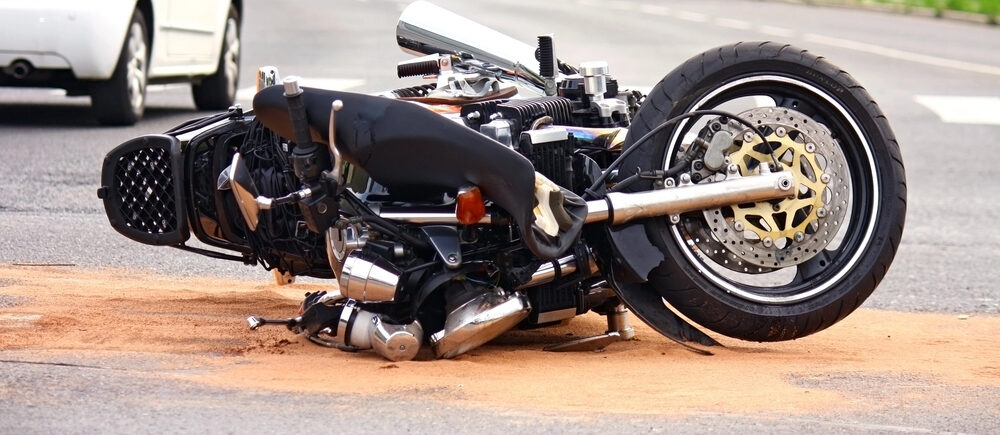
All licensed vehicle operators in Nova Scotia must carry liability insurance. However, insurance policies in the province also must provide Section B benefits, which provide “no-fault” benefits to injured policyholders. Section B benefits can provide up to $50,000 for medical expenses and lost wages. However, when an injured rider’s financial losses exceed the Section B limit, an at-fault driver’s liability coverage may not fully compensate the rider for their economic and emotional harm.
Following a motorcycle accident in Halifax, the outcome of your injury claim can make a difference in your recovery and your life thereafter. Choosing a motorcycle accident lawyer may become one of the most important decisions you make in your case. Qualities to look for in legal representation include experience, familiarity with local laws and rules, and a proven track record of success obtained on behalf of clients.
As many motorcycle accident lawyers offer free consultations, you can meet with a prospective lawyer to discuss your case and determine if they can best help you put your life back together after a devastating crash.
After suffering catastrophic injuries in a Halifax motorcycle accident, you deserve experienced legal advocacy and guidance to help you demand maximum financial recovery for your losses. If you’re looking for motorcycle accident legal help in Halifax NS, contact personal injury lawyer today for an initial consultation with a knowledgeable, compassionate motorcycle accident lawyer in the Halifax area to discuss your options for pursuing compensation.
That is one of the most common defences in motorcycle collision cases. Drivers have a legal duty to check for all road users. Failing to look does not excuse liability. Witness statements, traffic camera footage, and damage patterns help establish that the driver failed to yield or check blind spots.
Nova Scotia does not permit lane splitting or filtering. If a rider was moving between lanes of traffic at the time of the crash, the insurer may argue the rider shares fault. The specific circumstances and evidence from the scene determine how that argument plays out.
Road hazards may create liability for the party responsible for maintenance. If gravel, potholes, or construction debris caused or contributed to the crash, a claim may involve the municipality or provincial authority responsible for that roadway.
The rider's family may pursue a wrongful death claim against the at-fault party. These claims address funeral expenses, loss of financial support, and loss of care and companionship. Wagners represents families across Nova Scotia in fatal motorcycle accident cases.
Helmets are legally required. Other gear, such as riding jackets and boots, is not. An insurer may argue that a lack of protective clothing worsened specific injuries. That argument goes to injury severity, not to fault for the collision itself.
A serious motorcycle accident disrupts every part of a rider's life. The injuries are severe. The insurance process treats motorcyclists with suspicion. The road forward feels uncertain.
Wagners has fought for fair compensation on behalf of injured Nova Scotians for over four decades. Our team understands the liability disputes, the medical complexity, and the long-term planning that motorcycle injury claims demand.
Contact Wagners for a free consultation. We take every motorcycle accident case on a no-win, no-fee basis and provide services in English, French, and Spanish. Call (902) 425-7330 or toll-free at 1-800-465-8794 whenever you are ready to talk through your options.
"*" indicates required fields